Decorative Flower: A Versatile Vector Design for Creative Projects
Decorative flower is more than just a pretty image—it’s a powerful design element that brings nature’s elegance into digital and physical spaces. Rendered in vector format, this intricate floral design offers precision, scalability, and versatility. Whether you're a graphic designer, web developer, or small business owner, Decorative Flower can enhance your work with its detailed petals and artistic patterns.
What Is Decorative Flower?
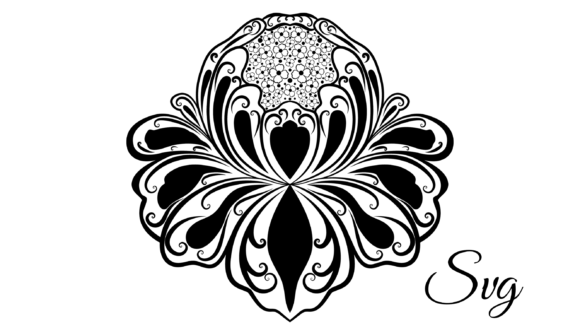
Decorative Flower refers to a stylized floral illustration created using vector graphics. Unlike raster images, which can lose quality when resized, vector-based designs maintain sharpness at any scale. This makes Decorative Flower ideal for use across various platforms—from websites and social media to print materials and product packaging.
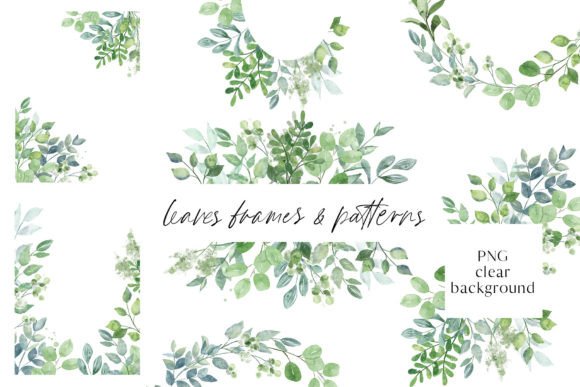
The design features carefully crafted petals, often with layered textures and fine detailing that mimics real-life flowers. Its appeal lies in the balance between realism and artistic interpretation, making it suitable for both modern and traditional aesthetics.
Where Can You Use Decorative Flower?
Its adaptability allows Decorative Flower to be used in numerous fields. Here are some of the most common applications:
- Web Design: As a background element, header graphic, or button icon, Decorative Flower adds visual interest without overwhelming the user interface.
- Graphic Design: Used in logos, branding elements, and promotional materials, it helps convey themes of growth, beauty, and natural inspiration.
- Textile Design: Applied to fabric patterns, wallpaper, or home decor items like cushions and curtains, it brings a touch of nature indoors.
- Print Media: Ideal for book covers, magazine layouts, and posters where high-quality visuals are essential.
- Digital Marketing: Incorporated into email templates, social media posts, and advertisements to create engaging content.
Why Choose Decorative Flower?
Designers and creators choose Decorative Flower for several reasons. First, its vector format ensures that it remains crisp and clear, no matter the size or medium. Second, the detailed yet elegant design can complement a wide range of color schemes and styles. Third, its flexibility allows it to be customized easily—whether adjusting colors, adding shadows, or modifying shapes.
For instance, a small business owner launching a new line of eco-friendly products might use Decorative Flower as part of their branding to evoke themes of sustainability and nature. Similarly, an educator creating educational materials could incorporate the design into illustrations that teach about botany or environmental science.
Real-World Scenarios Where Decorative Flower Shines
Let’s explore how different users might benefit from Decorative Flower in practical situations:
Freelance Graphic Designer
A freelance designer working on a client's website may need to add a subtle floral accent to a landing page. Using Decorative Flower as a background overlay or decorative border can enhance the page’s visual appeal while maintaining a clean layout. The designer can adjust the opacity or color to match the site’s overall theme.
Small Business Owner
A boutique selling handmade soaps might use Decorative Flower in their packaging design. The intricate patterns can be printed on labels or wrapping paper, helping the product stand out on store shelves. This not only attracts attention but also reinforces the brand’s connection to natural ingredients.
Content Creator
A blogger writing about gardening or wellness might include Decorative Flower in their blog headers or sidebar widgets. The design adds a cohesive aesthetic to the site and supports the content’s theme. It can also be used in downloadable resources like printable calendars or guides.
Educator or Teacher
An art teacher introducing students to vector graphics might use Decorative Flower as a case study. Students can analyze its structure, experiment with color variations, or even create their own versions. This hands-on approach helps them understand the principles of design and illustration.
Things to Consider Before Using Decorative Flower
While Decorative Flower is highly versatile, there are a few factors to consider before incorporating it into your project:
- Licensing: Ensure that you have the right to use the design in your intended context. Some vector files come with restrictions, especially if they’re meant for commercial use.
- File Format: Choose the appropriate file type based on your needs. SVG is ideal for web use, while EPS or AI files are better suited for print.
- Color Compatibility: Test the design against your existing color palette to ensure it blends well and doesn’t clash with other elements.
- Resolution: Although vector files are resolution-independent, always check the quality of the design, especially if it will be used in large-scale prints.
By considering these factors, you can make the most of Decorative Flower and avoid potential issues down the line.
Getting Started with Decorative Flower
If you're ready to bring Decorative Flower into your creative workflow, start by exploring free and paid vector resources online. Many design marketplaces offer high-quality floral illustrations that can be downloaded and used immediately. When selecting a design, look for one that aligns with your project’s style and purpose.
Once you’ve chosen a suitable version, experiment with different placements, sizes, and color variations. Don’t be afraid to tweak the design to fit your specific needs—after all, the goal is to enhance your work, not limit it.
Whether you're designing a website, creating marketing materials, or simply looking to add a touch of nature to your personal projects, Decorative Flower is a valuable tool. Its blend of artistry and functionality makes it a go-to choice for anyone who appreciates the beauty of nature in design.