The Patchwork Clowns: A Fusion of Art, Technology, and Imagination
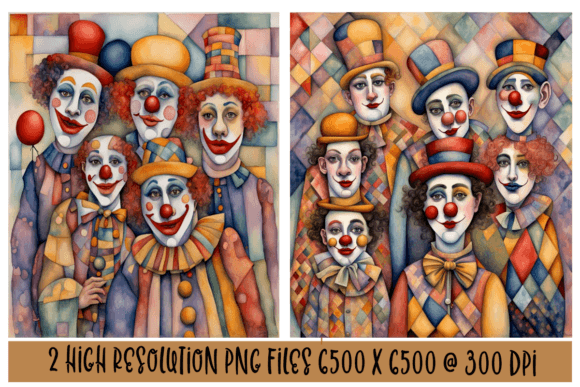
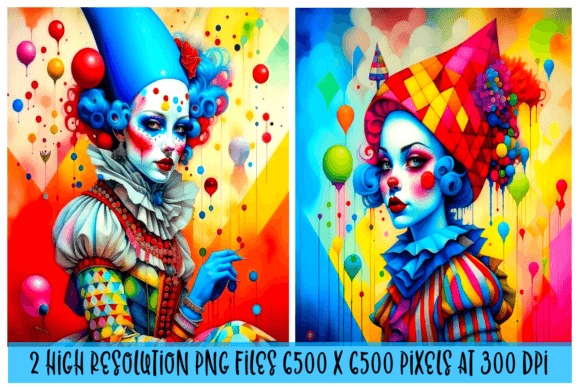
The Patchwork Clowns is more than just an AI-generated art piece—it's a vibrant exploration of creativity at the intersection of human expression and machine intelligence. This colorful and expressive artwork features a group of imaginative patchwork clowns, influenced by the styles of Gustav Klimt and Pablo Picasso. The clowns have a collage-like and Cubist appearance, assembled in a dreamlike circus scene filled with vivid shapes and patterns. It’s a testament to the evolving landscape of digital art and the growing fascination with generative AI as a tool for artistic innovation.
A Meeting of Styles: Klimt, Picasso, and AI
The Patchwork Clowns draws from the rich visual languages of two iconic artists—Gustav Klimt, known for his intricate gold leaf patterns and symbolic imagery, and Pablo Picasso, the pioneer of Cubism with its fragmented, multi-perspective forms. By merging these influences into a single composition, this AI-generated artwork bridges the gap between traditional fine art and modern technology. The result is a surreal yet cohesive scene that feels both familiar and entirely new.
The use of collage-like elements and Cubist fragmentation reflects a broader trend in contemporary art: the blending of historical techniques with digital tools. As AI continues to evolve, artists are finding innovative ways to incorporate machine learning into their creative process, resulting in works that challenge conventional definitions of authorship and originality.
The Rise of Generative Art and Its Impact on Creativity
In recent years, generative art has gained significant traction across various industries—from design and marketing to education and entertainment. Tools like AI image generators allow creators to explore new dimensions of artistic expression, enabling them to produce unique visuals that might be difficult or time-consuming to achieve manually.
This shift aligns with changing user expectations in the digital age. People are no longer content with static, one-size-fits-all designs. Instead, they seek personalized, dynamic content that resonates on an emotional level. The Patchwork Clowns exemplifies this demand, offering a visually striking piece that invites viewers to engage with its layers of meaning and texture.
For professionals and businesses, the rise of generative art presents exciting opportunities. Marketers can leverage AI-generated visuals to create eye-catching campaigns, while educators can use such art to spark discussions about creativity, technology, and cultural influences. Entrepreneurs, too, are beginning to recognize the value of integrating AI into their creative workflows, using it as a tool to enhance—not replace—human ingenuity.
How AI Art is Shaping the Future of Creative Workflows
As an emerging generative artist, my goal is to produce high-quality, one-of-a-kind pieces that capture the imagination. I carefully craft each prompt to evoke distinctive visuals, then enhance the resulting images to ensure they meet my high standards for resolution and artistic merit. This meticulous approach underscores the importance of intentionality in AI-driven creation.
While AI can generate impressive visuals quickly, the role of the artist remains crucial. The process involves not only refining the output but also ensuring that the final piece aligns with a specific vision or theme. In the case of The Patchwork Clowns, this meant combining elements of Klimt’s ornate details with Picasso’s abstract forms, all within a whimsical, circus-inspired setting.
This kind of creative workflow is becoming increasingly common among digital artists. Rather than viewing AI as a replacement, many creators see it as a collaborator—one that can help push the boundaries of what’s possible. Whether it's generating initial concepts, experimenting with color palettes, or exploring different compositions, AI offers a powerful set of tools for those willing to embrace it.
The Role of Community and Support in AI Art
Creating AI-generated art is not just about technical skill—it’s also about building a community. Your interest in The Patchwork Clowns means so much. Please consider favoriting my shop so you don’t miss any of the new, unique pieces my creative thoughts may produce through future prompts. With your support, I hope to continue honing my skills and evolving as an AI artist.
The digital art world is increasingly collaborative, with artists sharing techniques, feedback, and inspiration across platforms. This openness fosters innovation and helps emerging creators gain visibility. For someone like me, who is still developing their voice in the AI art space, community engagement is essential to growth and recognition.
Moreover, supporting independent artists—whether through purchases, shares, or simply showing appreciation—helps sustain the creative ecosystem. In a market where mass-produced content often dominates, there is a growing desire for authenticity and individuality. AI-generated art, when crafted with care and purpose, can fulfill this need by offering something truly unique.
Looking Ahead: What’s Next for AI-Generated Art?
As we look to the future, the possibilities for AI-generated art are vast. From interactive installations to immersive virtual experiences, the medium is constantly evolving. Artists are experimenting with new formats, such as NFTs and augmented reality, to bring their work into the digital realm in fresh and engaging ways.
At the same time, ethical considerations remain important. Issues around copyright, authorship, and the use of training data are still being debated within the industry. As an artist, I believe it’s crucial to stay informed and responsible, ensuring that the tools we use serve our creative goals without compromising integrity.
For anyone interested in the intersection of art and technology, The Patchwork Clowns is just one example of how AI can be used to create meaningful, visually compelling work. It represents a broader movement toward embracing innovation while honoring the traditions that inspire us.
I sincerely appreciate you considering my artwork, and look forward to bringing you more innovative designs in the future. Together, we can continue to explore the endless possibilities of AI-generated art and its place in our ever-changing world.